The electric vehicle (EV) revolution is no longer coming-it’s here. Across Vietnam and Southeast Asia, EV adoption is accelerating at an unprecedented pace. But for auto parts distributors and repair shops, this shift brings a new challenge: how do you source the right EV parts reliably and affordably?
At JLL Auto Parts, we’ve spent years helping businesses navigate this transition. This guide shares the lessons we’ve learned from thousands of successful procurements.

Why EV Parts Procurement Is Different
Traditional combustion engine parts follow predictable patterns. You know what you need, you know where to get it, and pricing is relatively stable.
EV parts? Not so simple.
Key Differences:
| Factor | ICE Vehicles | EV Vehicles |
|---|---|---|
| Part Complexity | Mechanical focus | Electronic + Software |
| Diagnostic Needs | Standard tools | Specialized equipment |
| Supply Chain | Mature, global | Still developing |
| Compatibility | Year/Make/Model | Software version matters |
| Lead Times | Usually short | Often 2-6 weeks |
Understanding the fundamental differences between ICE and EV components is the first step in mastering EV parts procurement.

Lesson 1: Know Your Vehicle’s Software Version
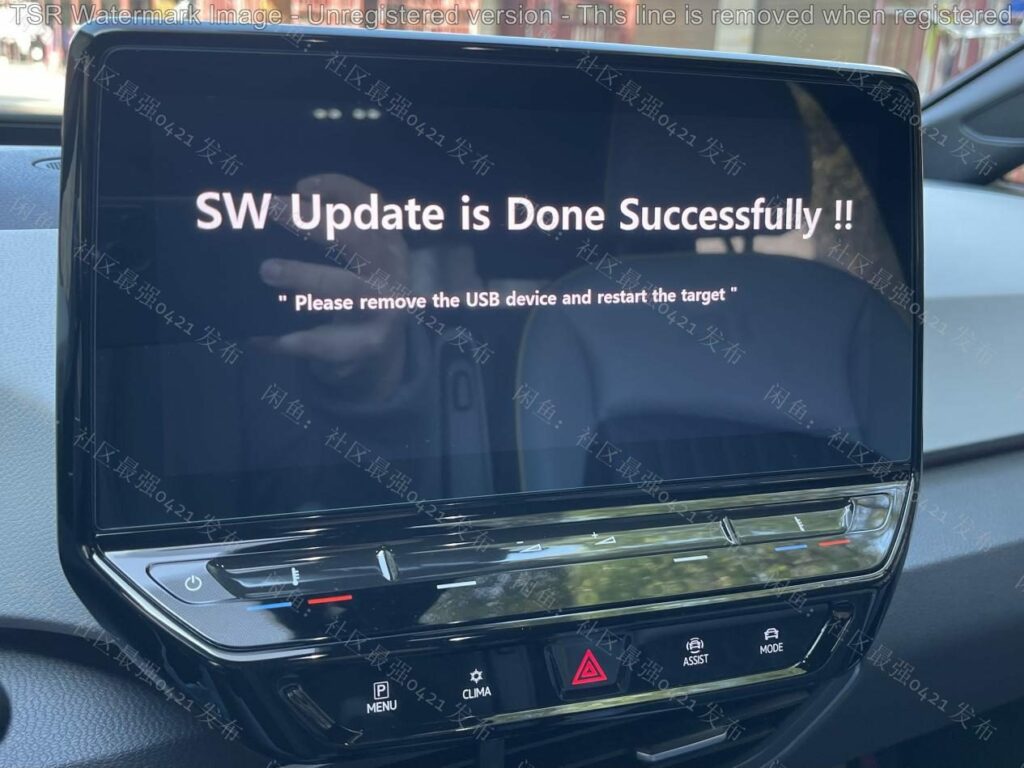
One of the biggest mistakes in EV parts procurement? Ignoring software compatibility.
A battery module that fits perfectly might not communicate correctly with your vehicle’s BMS (Battery Management System) if the software versions don’t align.
Our recommendation: Always provide the vehicle’s:
- Exact model year
- Software/firmware version (if available)
- VIN number when possible
This reduces return rates by up to 60%.
Understanding EV battery architecture-including BMS, OBC, and charging systems-is critical for accurate procurement.
Lesson 2: Build Relationships with Multiple Suppliers
No single supplier has everything. The most successful EV parts businesses maintain relationships with:
- Primary distributors (for high-volume, stable items)
- Regional specialists (for hard-to-find components)
- Direct manufacturers (for large orders like battery modules)
JLL Auto Parts has cultivated a network across Asia specifically for this reason. When one supplier is out of stock, we activate alternatives within 24 hours.
Lesson 3: Plan Ahead for Lead Times
Here’s a reality check: EV parts take longer to source than traditional parts.
Average lead times we’re seeing:
- Common items (brake pads, filters, tires): 3-7 days
- Suspension components: 7-14 days
- Battery modules & motors: 2-6 weeks
- Specialized electronics: 4-8 weeks
Pro tip: Stock up on high-turnover items. Don’t wait until you’re out of stock to order.
Lesson 4: Quality Certification Matters
In the EV space, “aftermarket” doesn’t mean “substandard”-but you need to verify.
Always check for:
- ? CE certification (for European standards)
- ? Vietnam MOT certification (for local compliance)
- ? ISO 9001:2015 manufacturer certification
- ? Genuine OEM cross-references
At JLL Auto Parts, every supplier in our network is vetted and certified. We provide documentation with every order.
Lesson 5: Start with High-Demand Items
If you’re new to EV parts, don’t try to stock everything at once.
Best sellers to start with:
- Tires – EV vehicles require specific tire types (low rolling resistance, reinforced sidewalls)
- Brake components – EVs have unique braking patterns due to regenerative braking
- 12V auxiliary batteries – Often overlooked but frequently needed
- Charging accessories – Cables, adapters, connectors
- Cabin air filters – Simple, high turnover, essential for Vietnamese climate
Lesson 6: Understand Import Regulations
Vietnam has specific regulations for EV component imports:
- EV parts may qualify for reduced import duties compared to traditional auto parts
- CBAM (Carbon Border Adjustment Mechanism) compliance is becoming relevant
- Battery transport regulations are strict-always verify documentation
JLL Auto Parts handles all customs documentation, ensuring your imports clear smoothly.
The JLL Auto Parts Advantage
Why do thousands of businesses across Vietnam trust us?
- ? One-stop-shop for 50+ EV brands (Tesla, VinFast, BYD, Hyundai, Kia, and more)
- ? Verified quality – Every part tested before shipping
- ? Competitive pricing – Direct manufacturer relationships
- ? Fast logistics – 3-7 day delivery to Vietnam
- ? Technical support – Our team knows EV systems inside and out
- ? Flexible MOQ – Whether you need 1 unit or 100, we handle it
Ready to Optimize Your EV Parts Procurement?
The EV market in Vietnam is growing 40% year-over-year. Don’t let supply chain issues hold your business back.
Get in touch today:
- ?? www.jllautoparts.com
- ?? Email: [email protected]
- ?? Contact our team for personalized procurement consultation
Next week: “Top 5 Mistakes to Avoid When Sourcing EV Battery Components”